General info:
  ▪ Model:  C750UZ
  ▪ Make:  OLYMPUS CORPORATION
Basic shot info:
  ▪ Focal Length:  6.3 mm
  ▪ Flash:  Flash did not fire, compulsory flash mode
  ▪ Metering Mode:  Spot
  ▪ ISO Speed Ratings:  100
Advanced shot info:
  ▪ Exposure Bias Value:  0
  ▪ Exposure Time:  1 sec
  ▪ Max Aperture Value:  F2.8
Exif-related info:
  ▪ Date/Time:  2006:01:31 14:30:34
  ▪ Exif Image Width:  432 pixels
  ▪ Exif Image Height:  323 pixels
  Crusader Desert Castles »  Viewing Qasr Al Azraq Ceiling Stones     [Image 1 of 9]  
  You have reached the first slide You have reached the first slide      Show/Hide EXIF Info Index Page Start/Stop the slide show      Next slide Last slide  
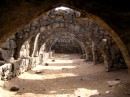
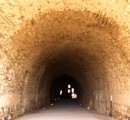
Comment: Looking up at the ceilings one can see how the ceilings were formed by layering long lengths of stone, using them like planks. Other rocks were then piled on top and mortared to make it watertight.
Next slide
 
Qasr Al Azraq Ceiling Stones
Qasr Al Azraq Arches * A long room in the Qasr Al Azraq, with the ceiling supported by a series of stone arches. * 432 x 323 * (65KB)

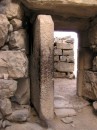
Qasr Al Azraq Room Door * One of the remaining granite slab doors used at Qasr Al Azraq. * 323 x 432 * (61KB)

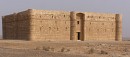
Qasr Kharaneh * A caravansary in the desert, providing shelter for both men and camels from the desert sun. * 432 x 190 * (40KB)

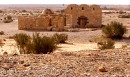
Qusayr Amra * Built in the early 8th century, this exceptionally well-preserved desert castle was both a fortress with a garrison and a residence of the Umayyad caliphs. The most outstanding features of this small pleasure palace are the reception hall and the hammam, both richly decorated with figurative murals that reflect the secular art of the time. * 432 x 256 * (78KB)

Tunjnel Entrance to Karak Castle * The long, dark, tunnel entrance to the Karak Castle.  Much of the castle is dug into the ground. * 396 x 366 * (66KB)

Copyright © 2000-2005 Jim Seavey and Verna Norris

All Rights Reserved